
Panels Restored Without Refinishing Delays
Dent Repair & Paintless Dent Repair in Kent for vehicles with minor impact damage and intact paint finish
Door dings from parking lots and hail dent removal often require only metal reshaping when paint remains undamaged. Paintless dent repair from EZ Automotives works by accessing the back side of body panels and using specialized tools to massage metal back to original contour without sanding, filling, or repainting. This approach preserves factory finish and avoids the color matching concerns that come with conventional bodywork.
The PDR process involves identifying access points behind damaged panels—through window openings, inner fender wells, or by removing interior trim—then using metal rods and leverage tools to apply pressure from behind while monitoring progress from the exterior surface. Minor dent removal requires assessing whether metal has creased sharply or merely bent in smooth curves that can be reversed without cracking paint.
Arrange an inspection to determine if your dent damage qualifies for paintless repair methods..
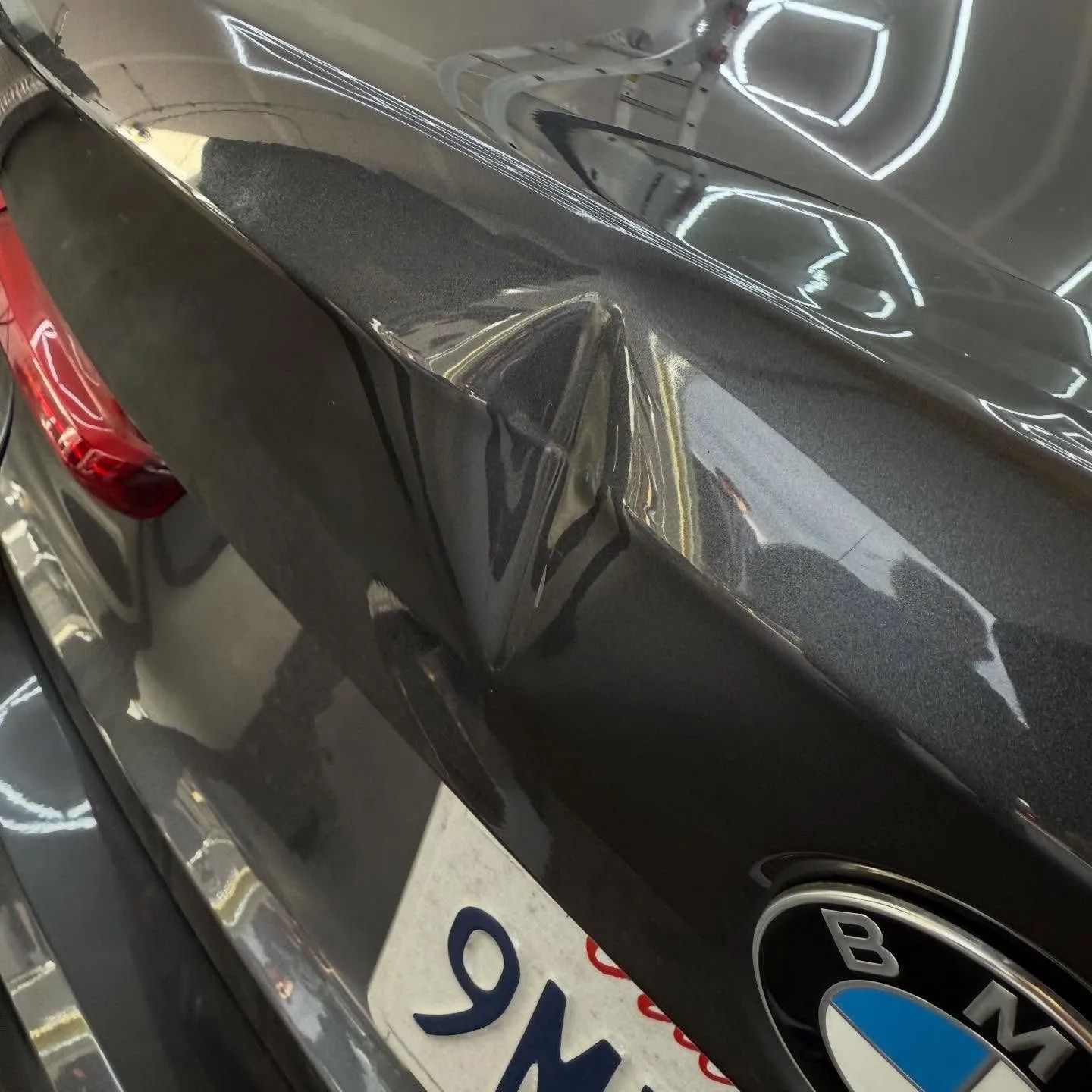
When Paintless Methods Work Best
PDR succeeds when paint has flexed with the metal rather than cracking, when dents lack sharp creases or torn edges, and when technicians can access the back side of affected panels. Body panel restoration using these techniques works best on aluminum and steel surfaces where metal retains memory and returns to original shape under controlled pressure.
Once paintless dent repair finishes, panel surfaces appear smooth without ripples or shadowing under direct light, original paint retains factory texture and gloss without blend areas, and repair locations become invisible except under extreme lighting angles. The vehicle requires no downtime for paint curing or blending work common with conventional dent repairs.
Conventional dent repair becomes necessary when paint has chipped or cracked, when metal has stretched beyond what pressure can reverse, or when panel access limitations prevent reaching the backside with tools. Hail damage often creates dozens of small dents requiring systematic PDR across multiple panels, making repair time proportional to dent count rather than severity..
What Owners Ask About Dent Repair
Questions often focus on repair eligibility, technique limitations, and how paintless methods compare to traditional bodywork approaches.
What size dents can paintless dent repair handle?
PDR works on dents ranging from small door dings to panel deformities several inches across, provided paint remains intact and metal has not creased sharply enough to cause stress fractures.
How do technicians access the back of body panels for paintless repair?
EZ Automotives removes inner door panels, accesses areas through window openings and trunk spaces, or works through inner fender wells where structural design allows tool insertion without drilling access holes.
What happens when paint has cracked but the dent is shallow?
Cracked paint requires conventional repair with filler, sanding, and refinishing even when underlying metal damage is minor, since paint integrity determines whether paintless methods will succeed or cause further finish damage.
When is hail damage too severe for paintless repair in Kent?
Hail impacts that create sharp dents with defined edges, dents overlapping in the same panel area, or impacts that have chipped paint through to bare metal require traditional bodywork rather than PDR techniques.
What is the typical timeframe for paintless dent repair versus conventional methods?
PDR often completes in hours rather than days since no paint curing time is required, though complex hail damage across multiple panels or limited access areas can extend work duration despite using paintless techniques.
EZ Automotives evaluates dent damage to determine whether paintless techniques will restore original panel contour without refinishing work. Bring your vehicle in for a damage assessment and repair timeline estimate.